




A Pioneering Study Assesses the Likelihood of Asteroid Mining: A Comprehensive Analysis
The exploration of asteroid mining is captivating the minds of scientists and entrepreneurs alike. Recent studies, such as the one headed by ICE-CSIC and IEEC, provide critical insights into the challenges and opportunities of harvesting resources from space. This article delves into the complexities of the ICE-CSIC study, examining both the potential and limitations of asteroid mining through the lens of the latest research.
- The current feasibility of mining undifferentiated asteroids is low due to scarce precious metals and rare earth elements.
- While pristine asteroids show promise, only future sample-return missions can confirm their viability.
- Water extraction from hydrated asteroids could revolutionize lunar and Martian missions.
- Despite technological advancements, significant obstacles like microgravity and transportation costs remain.
Exploring the Concepts: The Viability of Space Mining
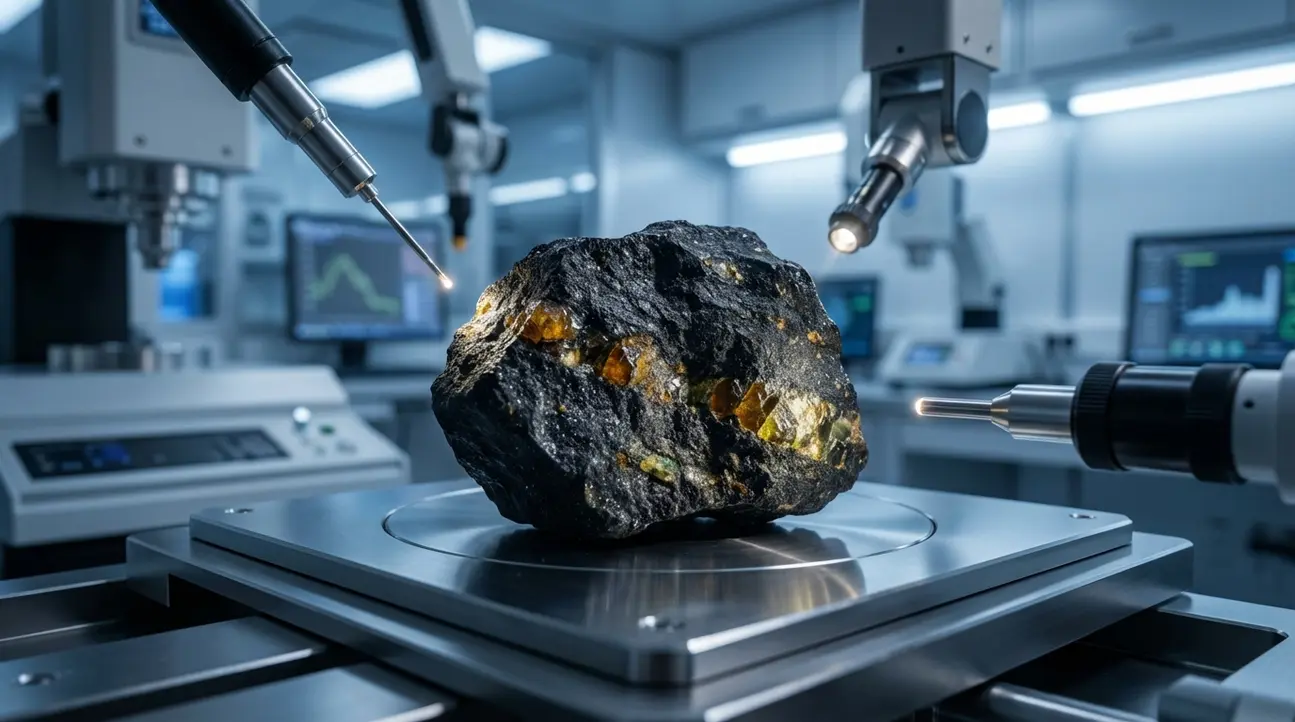
To understand the potential of asteroid mining, it’s essential to grasp the intricate analysis conducted by the ICE-CSIC and IEEC research teams. Utilizing meteorites from both historical falls and NASA’s Antarctic collection, the study assesses the composition of six carbonaceous chondrite groups. The team employed comprehensive chemical analysis, revealing that current conditions do not favor the mining of undifferentiated asteroids. This finding underscores the need for advanced space missions to identify viable targets, emphasizing pristine asteroids with olivine and spinel as worthy prospects.
Historical Context: Progress and Challenges
The journey towards mining asteroids is rooted in earlier missions such as Japan’s Hayabusa 1 and 2 and NASA’s OSIRIS-REx. These projects laid the groundwork, demonstrating the technical feasibility of sample collection. The recent ICE-CSIC study represents a leap forward, focusing on carbonaceous chondrites as a proxy for asteroids, honing in on the viability of resource extraction from these celestial bodies. The study’s findings highlight both the promise and the need for caution as the field progresses.
Technical and Practical Applications
Advancements in spectrography and cleanroom analysis techniques are at the heart of this study. Such technologies enable detailed examination of mineral and element diversity, crucial for determining potential extraction targets. The emphasis on sample-return missions is particularly pertinent, laying the foundation for future endeavors that might one day make space mining a reality. However, current technological limitations, such as effectively managing microgravity and significantly reducing transportation costs, pose considerable challenges. Overcoming these will require innovative solutions and collaborative efforts globally.
International Comparisons and Future Perspectives
Looking globally, missions like NASA’s impending Psyche aim to map metallic asteroids, scheduled for arrival in 2029. Such projects are pivotal benchmarks for understanding the landscape of asteroid mining. Despite setbacks, like the loss of AstroForge’s Odin mission, these endeavors pave the way for a potential shift in global resource economies. The next decade might see commercial viability of space mining revolutionizing industries, especially with the expected reduction in launch costs due to advancements such as SpaceX’s Starship.
Impact and Strategic Recommendations
“The mining of undifferentiated asteroids remains far from feasible, yet the potential for unprecedented economic impact and environmental sustainability is immense.” – Study Team
The study’s implications are far-reaching. Economically, this could realign the metals market, decreasing terrestrial mining’s ecological footprint. Socially, it might mitigate issues related to human displacement from traditional mining. Environmentally, space mining has the potential to alleviate resource depletion and destruction of ecosystems on Earth. Nonetheless, the field must navigate regulation under treaties like the Outer Space Treaty, ensuring sustainable and equitable development.
FAQ: Addressing Common Queries
What are the primary challenges facing asteroid mining?
Microgravity, low metal concentrations, and high transportation costs are significant challenges. Overcoming these will require technological breakthroughs and financial investments.
How soon can we expect commercial asteroid mining to become a reality?
With ongoing advancements and successful missions, commercial viability might emerge post-2025. However, this depends on continued progress in reducing costs and improving resource extraction methods.
Final Thoughts and Recommendations
This pioneering study lays a robust foundation for future exploration, emphasizing the need to focus on asteroids showing promise, like those altered by water. Continued investment in sample-return missions and technology development is crucial. Collaborations between public and private sectors, akin to partnerships involving AstroForge and NASA, along with technologies like the Rubin Observatory, might accelerate the path to viable space mining.
For those intrigued by space mining’s potential, sharing this knowledge could broaden the horizon for future innovations. Your interactions help cultivate an informed community. Share your thoughts in the comments and subscribe for more updates on groundbreaking advancements in space exploration.